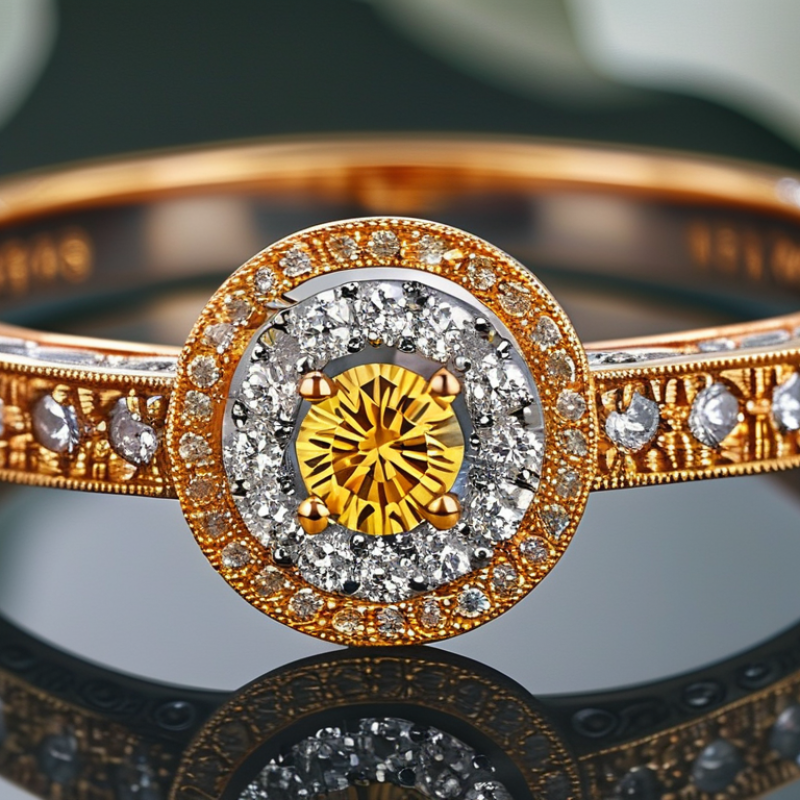
When selecting premium jewelry, one question often arises: "Why is 18k gold better than 14k for premium jewelry?" Understanding the difference matters greatly for both durability and appearance.
18k gold contains 75% pure gold, compared to 58.3% in 14k gold. This higher gold content gives 18k jewelry a richer hue and a luxurious feel. The intensity of color can significantly enhance the visual appeal. However, it’s essential to note that 18k gold can be softer and may scratch easier than 14k gold.
For those seeking longevity and value, the choice becomes clear. Despite its flaws, 18k gold represents a sound investment. Its allure lies not only in aesthetics but also in its symbolic representation of quality. A well-crafted 18k piece can last a lifetime, making it a worthwhile addition to any jewelry collection. Choosing wisely ensures that your investment reflects both beauty and craftsmanship.
When deciding between 18k and 14k gold, it's essential to understand the benefits of 18k gold. With its 75% gold content, 18k gold is purer than 14k, which contains only 58.3% gold. This higher purity translates into a richer, more vibrant color. This luxurious appearance makes 18k gold a favored choice for premium jewelry.
Another significant factor is value retention. 18k gold tends to maintain its value better over time. Its higher gold content makes it less susceptible to fluctuations in the market. When you invest in 18k gold jewelry, you're investing in lasting quality. This can be a crucial aspect for collectors or individuals looking at heirloom pieces.
Tips: For those considering an investment in jewelry, focus on trusted sources to avoid counterfeit products. Always inquire about the gold's authenticity. Be sure to maintain your jewelry's finish by cleaning it regularly and handling it with care. Remember, purchasing 18k gold is often seen as a smarter investment due to its durability and appeal.
When comparing 18k gold to 14k gold, durability stands out as a key factor. 18k gold contains 75% gold, while 14k gold has 58.3%. This higher gold content in 18k makes it softer, yet it often offers a rich, warm hue that many find appealing. However, this softness can lead to more scratches over time. It needs regular care to maintain its shine.
14k gold, with its increased alloy content, is tougher and more resistant to wear. This makes it an excellent choice for everyday jewelry. It holds up well against scratches and dents, making it suitable for active lifestyles. Yet, some wearers might notice that it lacks the luxurious feel of 18k gold.
Both options come with pros and cons. Choosing 18k is valuable for its elegance and high gold content, but there’s a trade-off in durability. Many might decide that 14k gold, while less luxurious, offers peace of mind for daily wear. It’s essential to consider your lifestyle and jewelry needs before making a decision.
Choosing 18k gold over 14k offers more than just aesthetic appeal; it provides significant advantages, especially for those with sensitive skin. The primary reason lies in its composition. 18k gold consists of 75% pure gold, while 14k contains only 58.3%. This higher gold content translates to fewer alloy metals, which are often responsible for skin irritation.
Many people experience allergic reactions to nickel, a common alloy in lower karat golds. Using 18k gold can significantly reduce these reactions. The hypoallergenic properties of 18k gold make it a suitable choice for individuals with skin sensitivities. Its rich luster adds to its charm, but its safety is paramount. This blend of beauty and functionality is often overlooked in purchasing decisions.
Though it's essential to note that everyone’s skin reacts differently, many find comfort in 18k gold jewelry. Choosing pieces that feel good to wear is just as important as their design. Listening to your skin can lead to better choices, even prompting some to reconsider what they wear daily. Balancing personal style with skin health can often lead to a more enjoyable wearing experience.
| Property | 18k Gold | 14k Gold |
|---|---|---|
| Gold Content | 75% gold | 58.3% gold |
| Hypoallergenic | Higher hypoallergenic properties | May cause allergic reactions in some |
| Durability | More malleable and ductile | Less malleable, relatively harder |
| Color | Rich yellow hue | Richer color variations (white, rose) |
| Price | Typically higher cost | More affordable |
| Maintenance | Minimal care required | More frequent polishing needed |
The jewelry market shows a clear trend: consumers increasingly favor 18k gold over 14k options. According to a recent industry report, 40% of jewelry buyers prioritize higher gold content for its luster and durability. 18k gold contains 75% pure gold, providing a richer color than the 58.3% found in 14k gold. This difference appeals to those appreciating the quality and longevity of their purchases.
Market research indicates that affordability concerns also play a role. While 18k gold can be pricier, many consumers are willing to invest in pieces that will last. A survey highlighted that 65% of shoppers choose 18k for heirloom-quality jewelry. However, buyers should consider their lifestyle. 18k gold, though more durable than 14k, may still be prone to scratches.
Tips: Always check for certification when purchasing gold jewelry. Reliable sources will provide documentation confirming the gold content. Furthermore, consider your typical wear. If you lead an active life, prioritize practicality alongside beauty. Balancing these factors can enhance satisfaction with your purchase.
18k gold is often seen as a superior choice over 14k gold for premium jewelry, particularly when considering resale value. According to recent market analysis, 18k gold, which contains 75% pure gold, holds its value better than 14k, which is only 58.3% pure. This higher gold content enhances desirability in the second-hand market. A study by the Jewelers of America found that high-karat gold items often sell for 20% more than their lower-karat counterparts.
When discussing resale, consider the craftsmanship of the piece. Quality design can significantly impact value. For instance, intricate designs may attract collectors. The demand for unique jewelry pieces can fluctuate greatly. Thus, a high-quality 18k piece might appreciate over time. The Gemological Institute of America reported that, over the last decade, gold jewelry's value has risen steadily, making it a reliable investment.
Tip: Always keep receipts and documentation of your jewelry's purchase. This enhances its resale value and provides proof of authenticity. An appraisal can help verify worth, especially for higher-end pieces.
Quality matters. Choosing a reputable jeweler can result in better investment returns. Research market trends before purchasing. Stay informed about gold prices, as they can fluctuate based on economic changes. An informed buyer will make better decisions that can lead to significant returns down the line.
: 18k gold has 75% gold content, resulting in a richer and more vibrant color.
18k gold is purer than 14k gold, which has only 58.3% gold.
Yes, 18k gold retains its value better due to its higher gold content.
No, 18k gold is softer and can scratch more easily compared to 14k.
14k gold is tougher and more resistant to scratches and dents, making it ideal for active lifestyles.
Regular cleaning and careful handling are important to maintain the shine of 18k gold.
While 14k gold is durable, it may lack the luxurious feel that 18k gold offers.
Investing in 18k gold can be smart due to its lasting quality and appeal, but it requires careful consideration.
Always ask about the authenticity of the gold to avoid counterfeit products.
Yes, choosing 18k offers elegance but may sacrifice some durability.
When considering premium jewelry, a common question arises: "Why is 18k gold better than 14k for premium jewelry?" The answer lies in its higher purity and ability to retain value over time. 18k gold contains 75% gold, which enhances its luster and depth of color compared to the lower purity of 14k gold. Additionally, 18k gold is generally more durable, providing a stronger resistance to scratching and wear, making it a practical choice for everyday jewelry.
Moreover, for individuals with sensitive skin, 18k gold's hypoallergenic properties make it a safer option, minimizing the risk of allergic reactions. Current market trends show an increasing consumer preference for 18k gold jewelry, indicating its desirability. From an investment perspective, 18k gold also offers better resale value, positioning it as a more prudent choice for those looking to invest in high-quality jewelry pieces. This combination of beauty, durability, and investment potential solidifies the case for 18k gold over 14k.