How to clean high-end emerald jewelry without damage requires more than a soft cloth and good intentions. Emeralds often contain natural fractures, inclusions, and clarity-enhancing oils. These features create beauty, but they also create vulnerability. GIA’s Emerald Quality Factors research explains that emerald clarity treatments are common, while its gemstone-care guidance warns against heat, steam, and ultrasonic cleaning. CIBJO’s Gemstone Blue Book also identifies clarity enhancement as a significant consideration when evaluating emerald durability and care.
“Inclusions are the fingerprints of nature,” gemologist Dr. John I. Koivula has said. That principle matters here. A tiny garden-like inclusion may be natural, yet a hidden fracture can widen after sudden heat or vibration. Gentle matters. Not guesswork.
For most high-end pieces, careful surface cleaning means lukewarm water, mild soap, and a clean, soft brush. Avoid soaking an emerald ring for long periods. Water may reach weakened settings or partially filled fractures. Pat the stone dry with a lint-free cloth, then inspect the prongs under bright, indirect light. Never use household chemicals, abrasive polishing creams, steam, or an ultrasonic machine without professional approval.
The Gemological Institute of America and major luxury-jewelry service practices support conservative handling. Still, published guidance cannot replace inspection. A heavily worn jewel may need different treatment from a recently serviced one. That is the uncomfortable part. Even “safe” cleaning can be unsafe for a treated emerald.
This guide explains how to clean high-end emerald jewelry without damage, while showing when a qualified gemologist should take over.
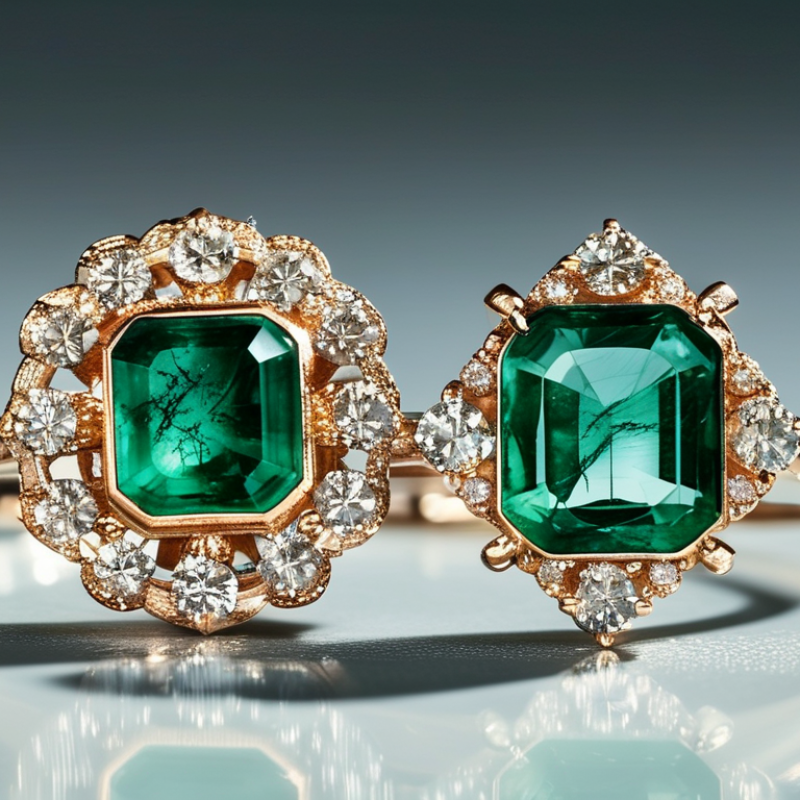
Emeralds look durable, yet their internal structure can be surprisingly fragile. Their hardness usually ranges from 7.5 to 8 on the Mohs scale. However, frequent inclusions create natural weak points. A sharp temperature change may worsen an existing fracture.
Many emeralds are treated with oil or resin to improve clarity. Strong detergents, alcohol, and household solvents can affect these treatments. Ultrasonic cleaners and steam cleaners are also risky. Their vibration or heat may enlarge a hidden fissure. Even a soft brush can catch on a loose setting or exposed inclusion.
Tips: Use lukewarm water, mild soap, and a clean cotton cloth. Wipe gently around the stone. Do not soak the jewelry for long. Dry it with a lint-free towel, then inspect the prongs under bright light. If the emerald’s treatment is unknown, stop there. A qualified jeweler should confirm the safest method.
A practical mistake is assuming that expensive jewelry needs stronger cleaning. It usually needs more restraint. I would avoid polishing compounds, abrasive powders, and sudden rinsing under very hot water. A cloudy appearance may come from residue, but it may also reveal damaged filling. That distinction is easy to miss at home. Professional inspection is especially sensible after impact, loose settings, or visible surface lines.
Cleaning high-end emerald jewelry begins with the right tools, not stronger chemicals. Prepare a soft microfiber cloth, a very soft baby toothbrush, and a small glass bowl. Use lukewarm water with one drop of mild, fragrance-free dish soap. Avoid hot water, bleach, alcohol, ammonia, and powdered cleaners. Emeralds may contain natural inclusions or fracture-filling treatments, making them more vulnerable than many gemstones.
Place a folded towel beneath the bowl to prevent accidental knocks. Dip the brush briefly, then clean around the setting with gentle, short strokes. Never scrub the emerald’s surface aggressively.
Do not soak the piece for long periods, and keep it away from ultrasonic or steam cleaners. Rinse it with a damp, clean cloth instead of holding it under strong running water. Pat it dry with microfiber, then let it air-dry fully before storage.
Tips: Check the clasp and setting while cleaning. If the stone looks cloudy, loose, or unusually dull, stop. A qualified jeweler should inspect it.
Many owners assume “more cleaning” means better care, but that can be a mistake. Even a soft brush may loosen dirt beneath delicate settings.
Store each piece separately in a lined box, away from harder jewelry. Gentle care is slower, but it reduces avoidable damage.
Before cleaning high-end emerald jewelry, inspect it under bright, indirect light. I use a 10x loupe, soft cotton pad, and clean nitrile gloves. Look for chips along the emerald’s edges, especially near the girdle. Emeralds often contain natural inclusions, but a new line may indicate damage. Do not assume every mark is dirt. Rotate the piece slowly. Check whether the stone moves inside its setting. Gently touch each prong with a wooden toothpick, never metal. A raised, bent, or thinning prong needs a jeweler’s assessment before moisture reaches the setting. Inspect the back as well. Skin oils, dust, and old residue can hide weakened joints.
Treatment history matters. Many fine emeralds receive oil or resin treatments, and harsh heat, steam, ultrasonic vibration, or strong solvents may worsen fractures or remove filler. If paperwork is unavailable, pause rather than guess. A qualified gemologist can examine the stone and mounting safely. Check for loose side stones, worn hinges, cracked enamel, and discoloration around the metal. Photograph the jewelry before handling it; close images can reveal changes later. I once mistook a pale surface streak for dried lotion, but it was a fracture reflecting light. That mistake changed my routine. Now I inspect twice and stop whenever the evidence is unclear.
Emeralds commonly contain natural inclusions and may be fracture-filled or oiled. Before cleaning, inspect the stone, setting, and treatment condition carefully. The screening scores below represent relative cleaning risk on a 0–5 scale, where 5 indicates the greatest need for caution. For valuable jewelry, professional inspection is recommended.
Cleaning High-End Emerald Jewelry Step by Step
Begin by examining the emerald under a bright, cool lamp. Check for loose claws, visible cracks, or movement in the setting. If anything feels unstable, stop and ask a qualified jeweler to inspect it. Emeralds often contain natural inclusions. They can be more vulnerable than they appear.
Prepare a bowl with lukewarm water and a few drops of mild, fragrance-free soap. Place a folded towel beneath it. Dip a soft-bristled brush into the solution, then gently clean around the stone and setting. Use light strokes near the edges. Never use an ultrasonic cleaner or steam. Heat and vibration may worsen hidden fractures or affect treatments.
Rinse the jewelry briefly in a separate bowl of clean water. Avoid rinsing over an open drain. Pat it with a lint-free cloth, then let it air-dry completely before storage. Do not soak emerald jewelry for a long time. Water can enter tiny spaces around the stone or loosen delicate settings.
I once rushed the drying step. It left moisture beneath the setting, which was difficult to notice. That small mistake changed my routine. I now inspect the underside with a soft cloth and wait longer. Emerald oil treatments are common, but their condition varies. Ask a trusted professional before applying any new cleaner, oil, or polishing product. Regular gentle cleaning is safer than aggressive restoration.
Emerald jewelry needs gentle aftercare because natural inclusions can make it vulnerable to impact, heat, and sudden temperature changes. After wearing it, wipe the surface with a soft, lint-free cloth. This removes skin oils and dust without stressing the stone. For light cleaning, use lukewarm water and a drop of mild soap only when the emerald’s treatment is known. Avoid ultrasonic cleaners, steam, alcohol, and strong household chemicals. Some emeralds contain oil or resin, which heat and solvents may disturb.
Drying requires patience. Rinse briefly, then pat the jewelry with a clean cloth. Let it air-dry naturally on a dry towel. Do not use a hairdryer, radiator, or direct sunlight. Heat can affect treatments and weaken delicate settings. I have learned that “almost dry” is not dry enough; moisture can remain beneath the stone or inside the setting.
Store each piece separately in a soft pouch or lined compartment. Keep emeralds away from harder gems that may scratch them. A stable, room-temperature location is safer than a bathroom, where humidity changes often. Before storage, check for loose prongs, cloudy areas, or unusual movement. If anything seems different, stop cleaning and ask a qualified jeweler to inspect it. Professional checks are especially sensible for treated or antique emeralds. Even careful owners miss small problems sometimes.
: Use bright, indirect light and rotate the piece slowly. Check edges, prongs, the underside, and side stones.
A 10x loupe, soft cotton pad, clean gloves, and a wooden toothpick can help. Never use metal near prongs.
Dirt may wipe away. A new line, pale streak, or reflected fracture needs professional inspection.
Stop cleaning immediately. A loose stone or bent prong needs a qualified jeweler’s assessment.
Mix lukewarm water with a few drops of mild, fragrance-free soap. Keep the solution simple.
Use a soft-bristled brush with light strokes. Clean around the setting, especially near the edges.
No. Heat, steam, and vibration may worsen hidden fractures or affect oil and resin treatments.
Rinse it briefly in a separate bowl. Pat it with a lint-free cloth, then let it air-dry completely.
Water may enter tiny spaces around the stone or weaken delicate settings. Short contact is safer.
Pause before using cleaners, oils, or polishing products. Ask a qualified gemologist for guidance. Guessing can be costly.
How to clean high-end emerald jewelry without damage requires a gentle, careful approach based on the stone’s natural characteristics. Emeralds may contain internal inclusions and can be sensitive to heat, pressure, harsh chemicals, and sudden temperature changes. Before cleaning, inspect the jewelry for loose settings, damaged clasps, or visible cracks. Prepare a soft lint-free cloth, a very soft brush, lukewarm water, and a mild, non-abrasive soap. Avoid ultrasonic cleaners, steam, bleach, ammonia, and strong detergents, as these may weaken the stone or affect its clarity-enhancing treatment.
Clean the jewelry by lightly wiping or briefly soaking it in the mild solution, then gently brushing around the setting without applying force. Rinse carefully with clean lukewarm water and pat dry using a soft cloth; never expose emerald jewelry to high heat. Store each piece separately in a padded, fabric-lined compartment to prevent scratches and impacts. Regular professional inspections and gentle routine care can help preserve the emerald’s color, brilliance, and secure setting for years.
