Why Are Handmade Jewelry Settings More Expensive?

Time:2026-09-16 Author:Liam
0%

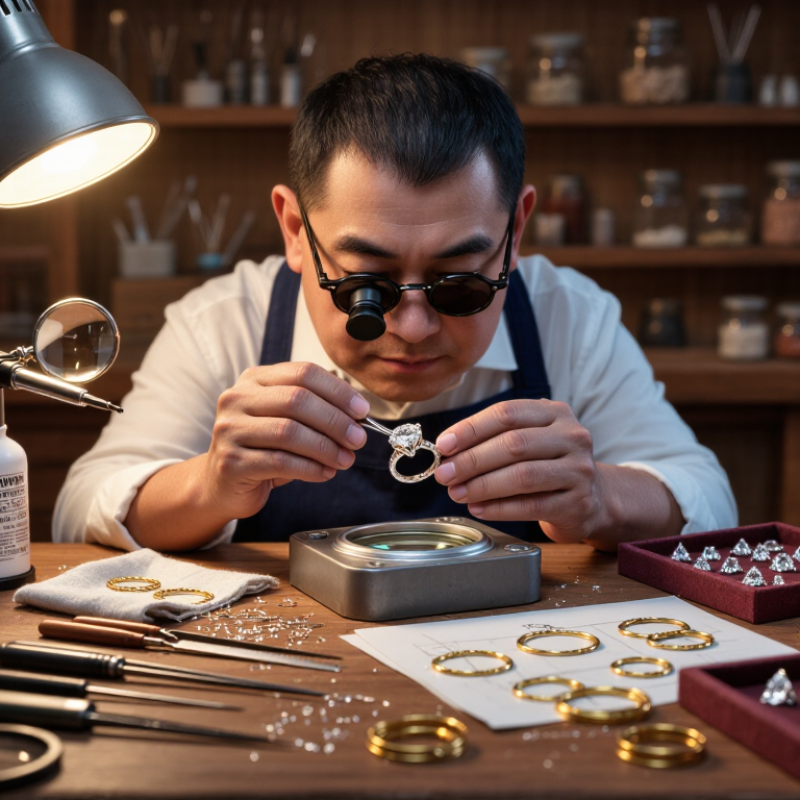
Why are handmade jewelry settings more expensive? The answer begins at the jeweler’s workbench, not the display case. A handmade setting may require hours of measuring, sawing, filing, soldering, and polishing. Each movement affects the stone’s security and the piece’s final appearance. A skilled bench jeweler studies the gemstone before shaping the metal. They consider its angles, inclusions, durability, and natural variations. This attention helps create a setting that fits the stone rather than forcing the stone into a standard design.

Machine-made settings often follow repeatable measurements and efficient production systems. Handmade work depends more heavily on personal judgment and controlled craftsmanship. A jeweler may spend several hours refining one prong or adjusting a bezel by fractions of a millimeter. Small changes can improve comfort, light reflection, and long-term wear. The price may also include design development, trusted metal sourcing, workshop tools, and quality inspections. Independent jewelers commonly explain these costs through sketches, bench time, and material records.

Still, handmade does not automatically mean perfect.

Some makers work faster than others. Some designs carry unnecessary complexity. A higher price should invite questions, not blind trust. Ask who made the setting, which metals were used, how the stone is secured, and whether repairs are available. Professional appraisers and experienced jewelers can provide useful second opinions. In my experience, the most convincing value appears in the details: clean joins, even prongs, smooth edges, and a setting that feels balanced on the hand. Handmade jewelry can be costly, but its value becomes clearer when craftsmanship, transparency, and practical durability support the price.
Why Are Handmade Jewelry Settings More Expensive?

What Defines a Handmade Jewelry Setting?

A handmade jewelry setting is shaped and assembled by a craftsperson, rather than produced entirely by automated casting. The process often begins with a sketch, metal sheet, wire, and carefully selected tools. A jeweler cuts each component, files its edges, and forms the structure around the stone. Small adjustments matter. A claw may need to move less than a millimeter for a secure, balanced fit.

In a workshop, the setting is checked under magnification before polishing. The jeweler examines the prongs, gallery, shoulders, and seat supporting the gemstone. Solder joints should be clean, with no visible gaps or weak spots. These details require experience, but experience does not make every decision perfect. A handmade piece may show slight tool marks or gentle variations in symmetry. That is not automatically a defect. Still, uneven prongs or a stone that shifts should be questioned.

The higher cost often reflects hours of skilled labor, material waste, and repeated fitting. A craftsperson may reshape a bezel several times before it hugs the stone evenly. Each setting is also adjusted to the wearer’s design, stone shape, and daily use. Handmade does not mean flawless. It means deliberately made, carefully inspected, and open to human judgment.

How Craftsmanship Increases Production Time and Labor

Why Are Handmade Jewelry Settings More Expensive?

A handmade jewelry setting begins with careful measuring and a working sketch. The maker studies the stone’s shape, depth, and natural irregularities. A small deviation can affect balance, security, and comfort. Machine-made settings often follow standardized measurements. Handmade work must respond to each individual piece.

Production time grows through repeated adjustments. A craftsperson may saw metal, file the edges, and test the stone several times. Tiny claws require steady pressure and controlled tools. Polishing also takes patience, especially around narrow channels and delicate curves. Small details matter. One uneven surface may require reshaping instead of quick correction.

Labor includes more than visible bench work. It covers design decisions, material preparation, inspection, and careful finishing. A maker might pause under bright light to check for gaps or sharp edges. Sometimes, the setting must be remade. That can feel wasteful, but it protects the final quality. The process is not perfectly efficient. Human judgment can introduce small inconsistencies, yet it also allows thoughtful solutions that standard production may miss. When customers pay more, they are often paying for skilled hours, attention, and the responsibility carried through each stage.

Why Are Handmade Jewelry Settings More Expensive? - How Craftsmanship Increases Production Time and Labor

Production Stage Handmade Setting
Typical Labor Time
Standardized Setting
Typical Labor Time
Additional Time Craftsmanship-Related Work
Design Interpretation and Layout 1.0–2.0 hours 0.25–0.75 hour +0.75–1.75 hours Translating measurements into a one-off layout and adjusting proportions before fabrication.
Metal Preparation and Forming 1.5–3.0 hours 0.5–1.25 hours +1.0–1.75 hours Cutting, annealing, bending, and shaping metal by hand rather than relying on pre-formed components.
Stone Seat and Prong Adjustment 2.0–4.0 hours 0.5–1.5 hours +1.5–2.5 hours Fitting the setting to the individual stone’s dimensions, symmetry, and faceting instead of using a fixed size.
Soldering or Assembly 1.0–2.0 hours 0.25–0.75 hour +0.75–1.25 hours Joining individually fitted components while controlling heat, alignment, and distortion.
Hand Filing and Surface Refinement 1.5–3.0 hours 0.5–1.25 hours +1.0–1.75 hours Removing tool marks, refining contours, and correcting small irregularities through repeated hand-finishing.
Stone Setting and Security Check 1.0–2.0 hours 0.25–0.75 hour +0.75–1.25 hours Securing the stone, checking for movement, and verifying that prongs or bezels provide even pressure.
Polishing and Final Inspection 1.0–2.0 hours 0.5–1.0 hour +0.5–1.0 hour Detailed polishing, edge inspection, dimensional checks, and final quality control.
Estimated Total Labor Time 9.0–18.0 hours 2.75–7.25 hours Approximately 2–4× more labor Handmade settings require more direct bench work, more fitting decisions, and more opportunities for inspection and correction.
Data note: The figures are typical labor-time ranges for small-batch jewelry bench work and standardized production workflows. Actual time varies according to metal type, setting style, stone shape, design complexity, finish requirements, and the maker’s experience. Labor time excludes material costs, gemstones, equipment, overhead, and retail markup.

Which Materials and Tools Affect the Price?

Why Are Handmade Jewelry Settings More Expensive?

Which Materials and Tools Affect the Price?

A handmade setting begins with carefully selected metal. Sterling silver costs less than gold or platinum, but each material behaves differently during shaping. Gold is easier to form, while platinum often requires slower heating and stricter temperature control. Metal purity also affects cost. Higher purity usually means a higher material price and greater attention during soldering.

Small details matter. A jeweler may use fine gemstones, durable prongs, and a thicker base for extra security. These choices increase material use, even when the finished setting looks delicate.

A hand file, jeweler’s saw, mandrel, and precision pliers are essential tools. More advanced work may require a torch, polishing motor, microscope, or specialized setting burs. These tools need maintenance, replacement parts, and careful calibration.

Time is often the largest cost. Cutting a clean seat for one stone can take longer than expected. I have misjudged this stage before, especially with uneven stones. A minor adjustment can prevent movement, but it may also add an hour of bench work. Skilled makers inspect alignment, prong thickness, surface marks, and stone pressure under magnification. Their training reduces avoidable damage, although handmade work is never perfectly predictable. Experienced craftsmanship is not only about appearance. It includes controlled methods, documented measurements, and honest explanations when a design needs revision.

Why Custom Design and Detailed Finishing Add Value

Why Are Handmade Jewelry Settings More Expensive?

Why Custom Design and Detailed Finishing Add Value

Handmade jewelry settings cost more because design labor continues after the metal is cast. Custom work begins with measurements, sketches, stone tolerances, and revisions. A bench jeweler may adjust prongs by fractions of a millimeter. That quiet precision protects the stone and changes how light enters it. The World Gold Council reported 1,877 tonnes of global jewelry fabrication demand in 2024. That scale makes hand-finished work a smaller, labor-intensive part of the market.

Custom design creates value through decisions mass production cannot easily repeat. A jeweler can align a setting with the wearer’s lifestyle, finger shape, and existing pieces. CAD files, prototypes, hand setting, filing, and polishing each add skilled hours. McKinsey’s jewelry industry report projected annual market growth of 5.2% to 5.8% through 2025. Growing demand can increase interest in individuality, but it does not make every custom piece superior.

That distinction matters. A higher price should reflect documented materials, accountable craftsmanship, and realistic finishing time. Tiny uneven edges can reveal handwork, yet poor symmetry remains a defect. Professional finishing means controlled surface preparation, secure setting, and wear testing. Some makers charge separately for concept development; others include it in the setting price. Ask what is included.

How Handmade Settings Compare with Mass-Produced Alternatives

Why Are Handmade Jewelry Settings More Expensive?

How Handmade Settings Compare with Mass-Produced Alternatives

Handmade jewelry settings require skilled bench work, careful measurement, and repeated adjustments. A craftsperson shapes metal around the stone instead of following one fixed mold. Each prong may be filed, softened, and positioned by hand. Small details matter. A smooth gallery, even claw, and secure seat can improve both comfort and durability.

Mass-produced settings follow standardized designs and automated processes. This efficiency reduces labor costs and keeps dimensions consistent. However, the fit may be less personal, especially when a gemstone has unusual proportions. Handmade work can respond to a stone’s depth, asymmetry, or visible inclusions. The result often feels more intentional. It also takes longer. Sometimes, much longer.

From practical bench experience, the largest cost difference usually comes from labor and inspection. A handmade setting may require several fitting stages, polishing between steps, and careful checking under magnification. These procedures help prevent loose stones and sharp edges. Still, handmade does not automatically mean perfect. A maker can misjudge a curve or leave a finishing mark. Skilled professionals inspect their work and correct these flaws before delivery. Buyers should ask about metal thickness, stone security, resizing limits, and aftercare. Price alone cannot prove quality. A well-made production setting may outperform a rushed handmade piece, while a thoughtfully crafted setting can offer a closer fit and more character.

Why Are Handmade Jewelry Settings More Expensive?

How Handmade Settings Compare with Mass-Produced Alternatives

The estimated cost model shows why handmade settings typically command a premium: skilled bench labor and workshop overhead represent a much larger share of the price, while mass-produced settings benefit from standardized designs, larger production runs, and automated processes. Actual prices vary according to metal, stone requirements, design complexity, and finishing quality.

FAQS

Which metals usually affect the price of a handmade jewelry setting?

Sterling silver usually costs less than gold or platinum. Gold forms more easily during shaping. Platinum needs slower heating and tighter temperature control. Purity also matters. Higher purity increases material cost and soldering attention.

Why do thicker bases and stronger prongs increase the price?

They use more metal and require additional shaping. A thicker base can improve security beneath a delicate-looking design. Durable prongs need careful cutting and adjustment. Small details can hide substantial bench work.

Which tools may add to handmade setting costs?

Common tools include files, saws, mandrels, and precision pliers. Complex work may require a torch, polishing motor, microscope, or setting burs. These tools need maintenance and replacement parts. Calibration also takes time.

Why is labor often the largest cost?

Cutting a clean seat for one stone can take longer than expected. Uneven stones are especially demanding. A tiny adjustment may prevent movement. It can also add an hour of bench work.

How does custom design increase the final price?

Custom work may include measurements, sketches, stone tolerances, and revisions. Prongs can shift by fractions of a millimeter. CAD files and prototypes add more skilled hours. Individuality is valuable, but not every custom piece is automatically better.

What does detailed finishing involve?

Finishing includes filing, polishing, alignment checks, and secure setting. A maker may inspect the piece under magnification. Surface marks and uneven edges need attention. Wear testing can reveal problems before regular use.

Does a higher price always mean better craftsmanship?

Not necessarily. The price should match documented materials and realistic finishing time. Poor symmetry remains a defect, even when the work is handmade. I have seen small adjustments take longer than planned. Estimates are sometimes imperfect.

What should I ask before ordering a handmade setting?

Ask whether design development is included in the price. Confirm the metal purity, setting method, and expected finishing time. Request clear information about revisions and measurements. Details matter.

Conclusion

Why are handmade jewelry settings more expensive? The answer lies in the time, skill, and personal attention required to create each piece. A handmade setting is shaped, assembled, and refined by skilled craftspeople rather than produced through a fully automated process. Every stage, from planning proportions to securing stones and polishing the final surface, demands patience and precision. This longer production time increases labor costs, while specialized tools and high-quality metals or other durable materials also contribute to the price.

Handmade settings can also be tailored to a customer’s preferences, allowing for unique shapes, personalized details, and careful adjustments for a specific stone. Detailed finishing, such as smoothing edges, refining textures, and improving comfort, adds further value and helps create a distinctive result. Although mass-produced settings are often more affordable because they are made quickly in large quantities, handmade alternatives offer greater individuality, craftsmanship, and attention to detail. Their higher cost reflects the work and care invested in producing a lasting, one-of-a-kind design.

Liam

Liam

Liam is a dedicated marketing professional with a profound expertise in the industry, where he excels at highlighting the unique advantages of our core products. With a keen understanding of market trends and consumer needs, Liam frequently updates our company’s professional blog, providing......