Why is platinum preferred for high-carat diamond settings? The answer begins with security, not fashion. A large diamond creates greater pressure on prongs, bezels, and gallery structures. Platinum is dense, naturally white, and highly resistant to wear. Its strength helps hold delicate claws around valuable stones without adding distracting color.
Peter Yantzer, a longtime platinum-industry educator, explains, “Platinum is the perfect setting for diamonds because it is naturally white, strong, and durable.” His observation reflects a practical bench-jeweler’s concern. When a 5-carat diamond catches light above a platinum basket, the metal appears quiet beneath it. No yellow reflection competes with the stone’s brilliance. That visual restraint matters.
Platinum also develops a soft patina instead of losing metal through ordinary polishing. This does not make a setting maintenance-free. Prongs still require inspection, especially after daily wear or accidental impact. That detail is easy to overlook.
Experience shows another advantage. Platinum’s density gives a substantial feel on the finger, while its malleability allows skilled setters to shape precise, secure prongs. However, craftsmanship remains decisive. A poorly designed platinum setting can still loosen a diamond. The metal cannot correct weak engineering.
This introduction will examine why is platinum preferred for high-carat diamond settings through durability, color performance, weight, repair considerations, and long-term security. It will also question a common assumption: the most expensive metal is not automatically the safest choice. Proportion, setting design, and professional inspection matter just as much.
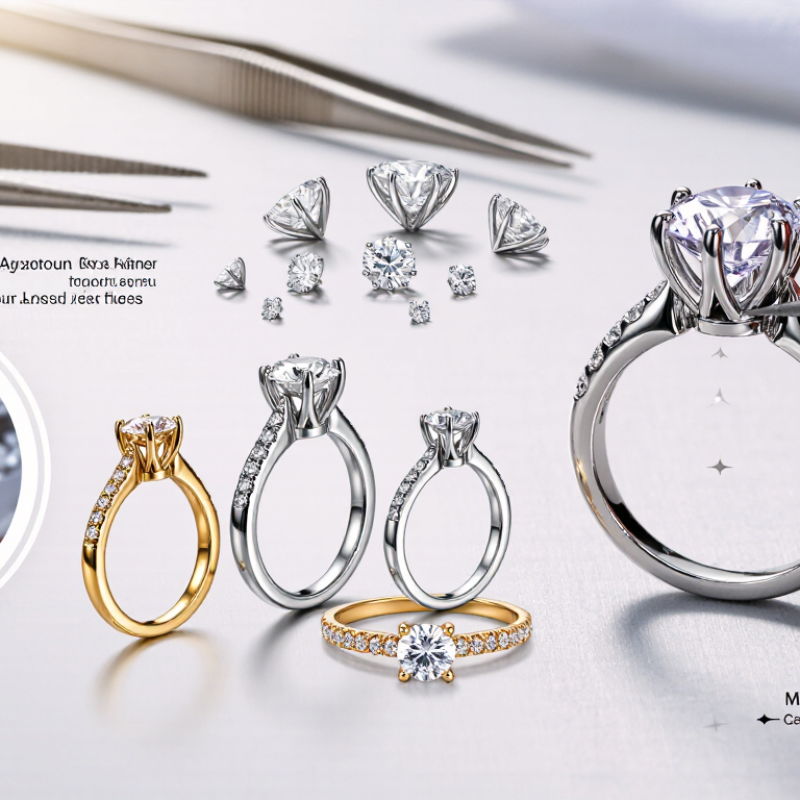
Why Is Platinum Preferred for High Carat Diamond Settings?
Platinum is valued for its 95% purity, with only a small portion made from other metals. This high purity gives the metal a naturally white appearance. It also reduces the need for frequent plating, which can help maintain a clean, bright look around a large diamond.
High-carat diamonds are heavier and place greater pressure on prongs, baskets, and bands. Platinum is dense, strong, and able to support detailed settings without looking overly bulky. During professional inspections, jewelers often check whether the prongs remain even and secure. Platinum can develop a soft patina over time. Some people love this finish, while others prefer periodic polishing. It is not completely scratch-proof, and that detail is sometimes overlooked.
Tips: Ask about the alloy composition and setting design before choosing platinum. A skilled jeweler should inspect the prongs at least once a year, especially for daily-worn rings. Keep the setting away from harsh chemicals, and remove the ring before heavy handwork. The 95% purity is valuable, but craftsmanship still matters. A well-made setting can protect a diamond better than a precious metal label alone.
| Material | Typical Jewelry Purity | Density (g/cm³) |
Typical Mohs Hardness | Color Stability | Practical Implication for High-Carat Diamond Settings |
|---|---|---|---|---|---|
| Platinum | 95% platinum, commonly alloyed with approximately 5% ruthenium, iridium, cobalt, or another permitted platinum-group metal | 21.45 | Approximately 3.5–4 | Naturally white; does not require rhodium plating to appear white | Its high density gives the setting substantial weight, while the naturally white metal complements colorless and near-colorless diamonds. Metal displaced during wear tends to remain around the setting rather than flaking away, supporting long-term prong maintenance. |
| 18-karat Gold | 75% gold; the remaining 25% consists of alloying metals | Approximately 15–16.5, depending on alloy composition | Approximately 2.5–3 | Yellow gold is naturally colored; white gold may require rhodium plating for a bright white appearance | Can provide strong, attractive settings, but its lower hardness and variable alloy composition make the specific formulation, prong design, and maintenance schedule especially important for a large diamond. |
| 14-karat Gold | 58.5% gold; the remaining 41.5% consists of alloying metals | Approximately 12.9–14.6, depending on alloy composition | Approximately 3–4 | Color depends on the alloy; white gold may require rhodium plating | Often offers a harder surface than higher-purity gold, but it contains a greater proportion of alloying metals. Its suitability for a high-carat center stone depends heavily on construction quality and prong thickness. |
| Palladium | Commonly 95% palladium in jewelry alloys | 12.02 | Approximately 4.5–5 | Naturally white and generally does not require rhodium plating | Its naturally white appearance and good hardness are useful for diamond settings. Because it is considerably less dense than platinum, an equally sized setting will generally feel lighter. |
| Sterling Silver | 92.5% silver; typically 7.5% other metals, often copper | 10.49 | Approximately 2.5–3 | Bright white when polished but can tarnish through surface chemical reactions | Its lower hardness, lower density, and tendency to tarnish make it less suitable for demanding high-carat engagement or statement settings unless the design is carefully reinforced and regularly inspected. |
Note: Metal performance depends on alloy composition, setting geometry, prong thickness, workmanship, wear conditions, and regular inspection. A 95% platinum mark identifies a high-purity platinum alloy, but it does not by itself guarantee that every setting is suitable for a particular diamond size or shape.
It can be shaped closely around vulnerable edges. Its flexible movement helps form supportive prongs with less cracking.
No setting is indestructible. A hard impact can bend a prong, loosen the stone, or damage a poorly designed claw.
Platinum has a density of about 21.45 g/cm³. The ring may feel noticeably heavier than a similar gold design.
Not necessarily. Weight can feel reassuring, but prong thickness, seat depth, alignment, and finishing matter more.
No. Malleability cannot rescue thin, misaligned, or badly finished prongs. That detail deserves careful inspection.
Platinum usually develops a gray-white patina. Some wearers like it, while others prefer periodic polishing for a brighter finish.
Regular professional inspections are sensible. Examine prongs and shoulders, especially after knocks or frequent daily wear.
It still needs attention. Surface aging, impact, and gradual loosening can occur, so “maintenance-free” feels too optimistic.
Why is platinum preferred for high-carat diamond settings? Its exceptional purity, typically around 95%, makes it a naturally suitable choice for showcasing valuable and larger diamonds. With a density of approximately 21.45 g/cm³, platinum is noticeably heavier than most gold alloys, giving a setting a substantial, secure feel. Its moderate hardness of about 4–4.5 on the Mohs scale provides a practical balance between strength and workability, allowing prongs to hold a diamond firmly while remaining suitable for precise shaping.
Platinum’s malleability also helps it bend and compress around a diamond rather than easily breaking, offering an added layer of protection for prominent stones. However, its greater weight can make a piece feel heavier, and its surface may develop a patina over time. Regular professional inspection and occasional maintenance can help preserve the security and appearance of a platinum setting, making it a durable yet premium option for high-carat diamond jewelry.

 Locke Jewelry