Locke Jewelry
1 / 5
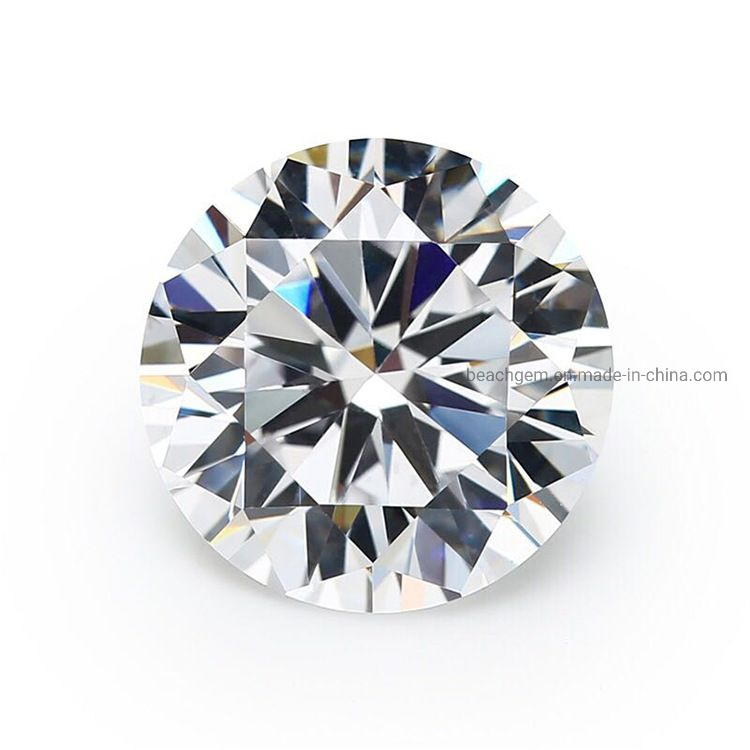
| Name | Moissanite |
| Size | 5-12MM |
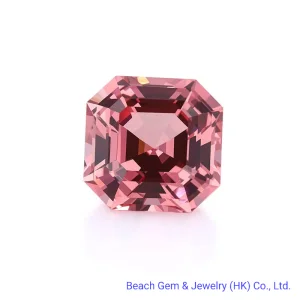
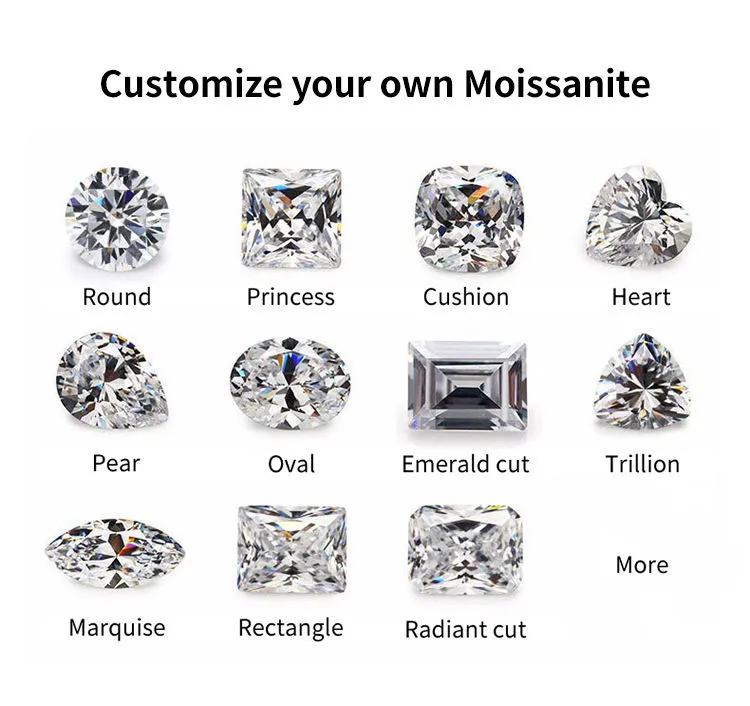
| Shape | Asscher |
| Packing | Paper or plastic bag |
| Carton Size | Can be adjusted to special requirements |
| MOQ | 10 PCS each size |
| OEM | Available |
| Sample Lead Time | 2 Business days |
| Delivery Time | Within 3-15 days after order confirmation |
| Shipping | DHL, FEDEX, UPS (Professional delivery agency) |
| Payment | T/T, Paypal, Moneygram (30%-50% deposit) |
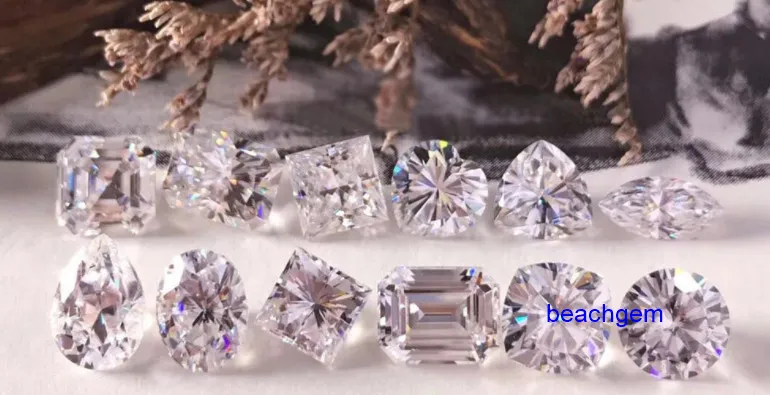
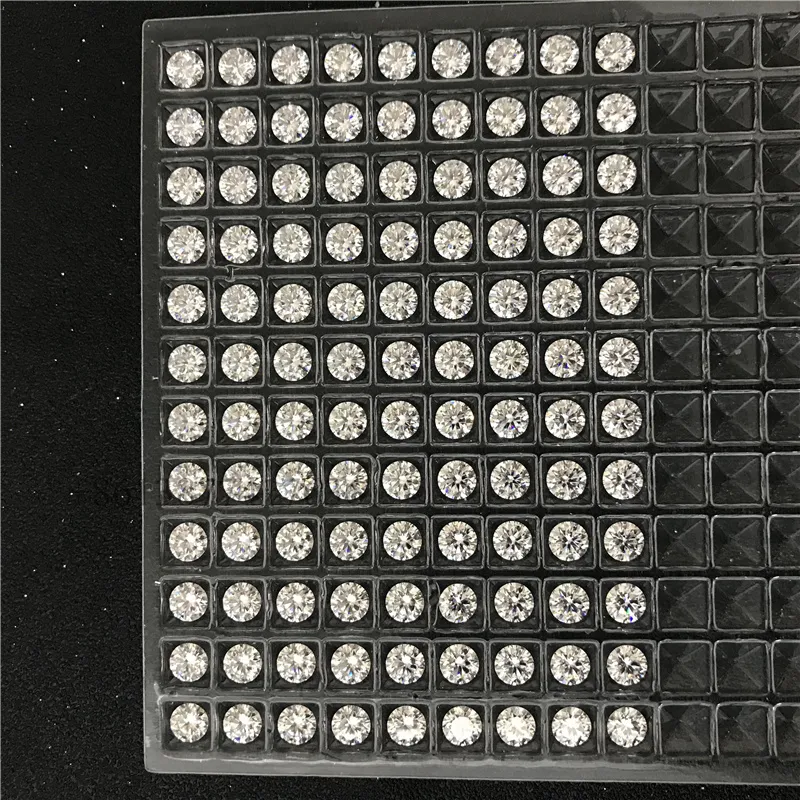
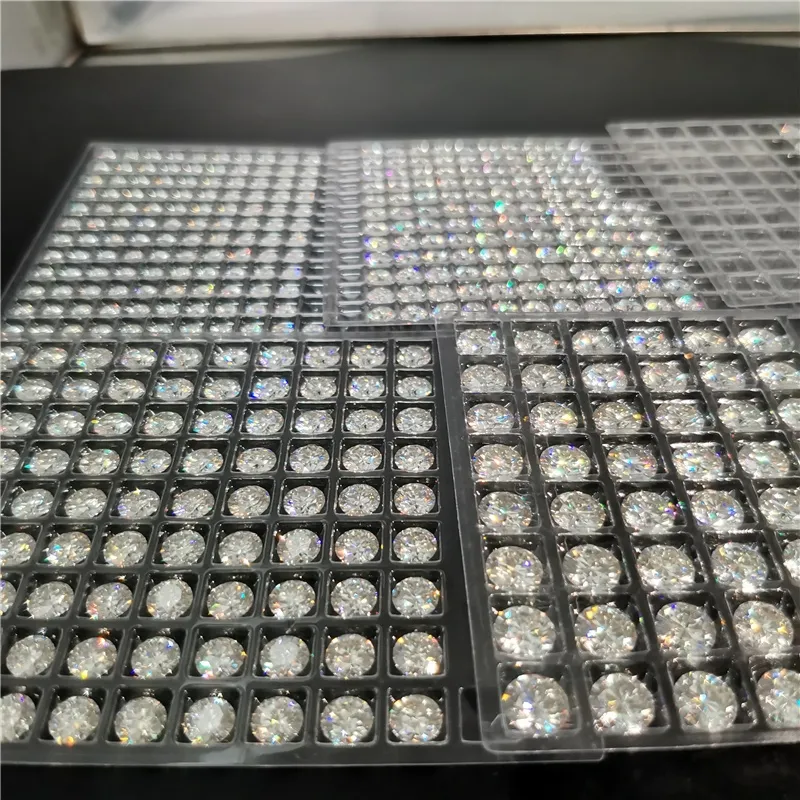
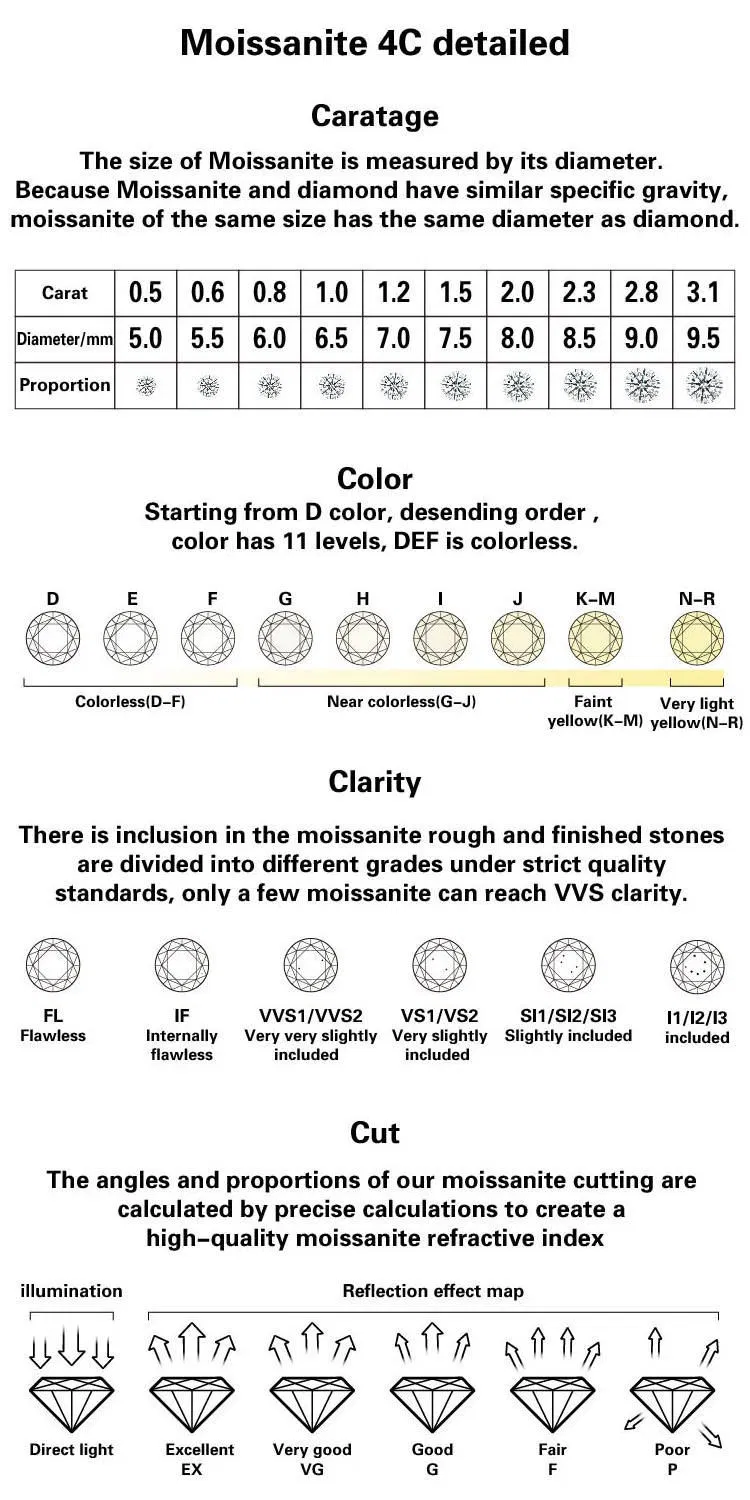
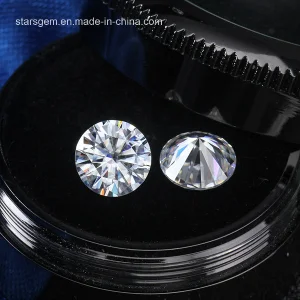
Natural Moissanite dates back to the late nineteenth century. The term Moissanite comes from Dr. Henri Moissan, who discovered this mineral in the Arizona crater in 1904. Most of the moissanite on the market is artificially synthesized. Natural moissanite is very rare and only appears in craters. Its color is mostly dark green and black.
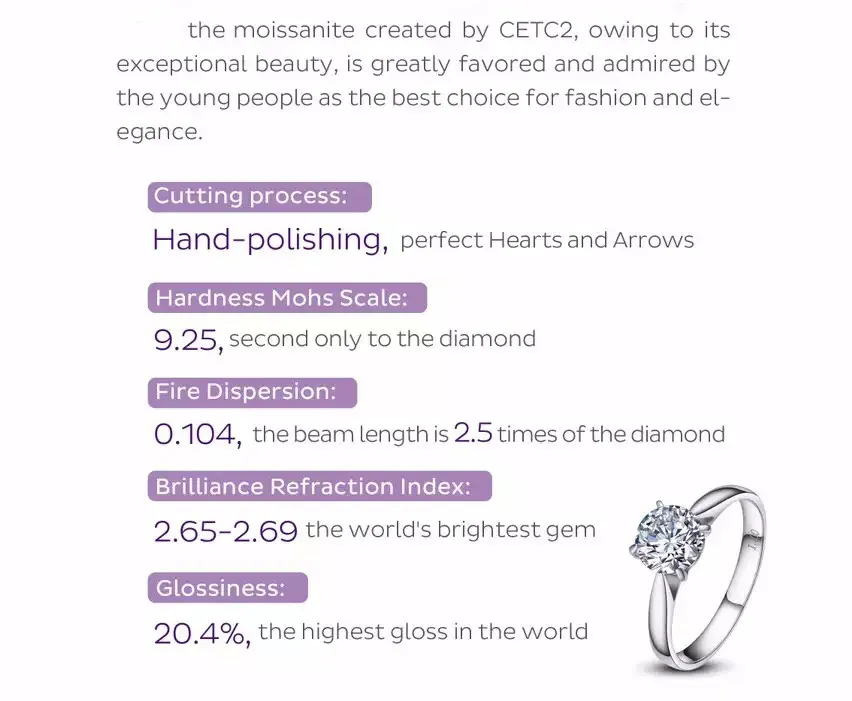
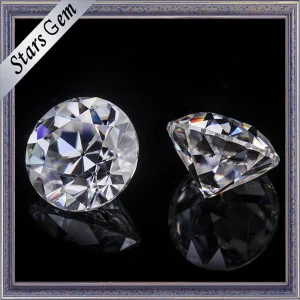
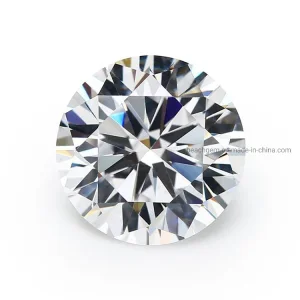
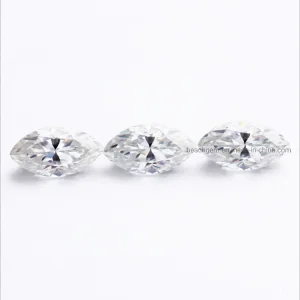
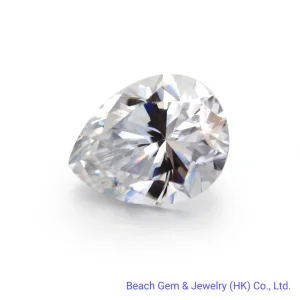
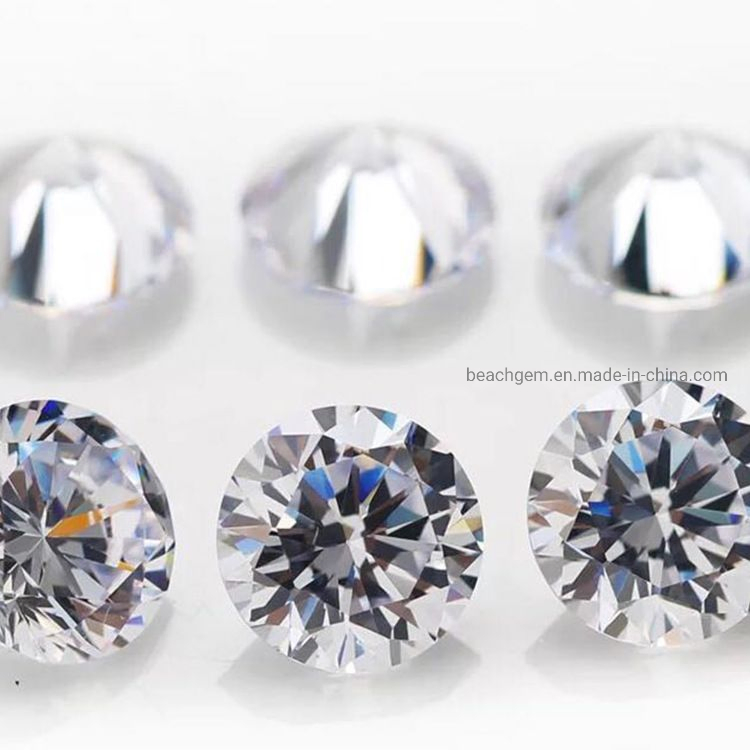
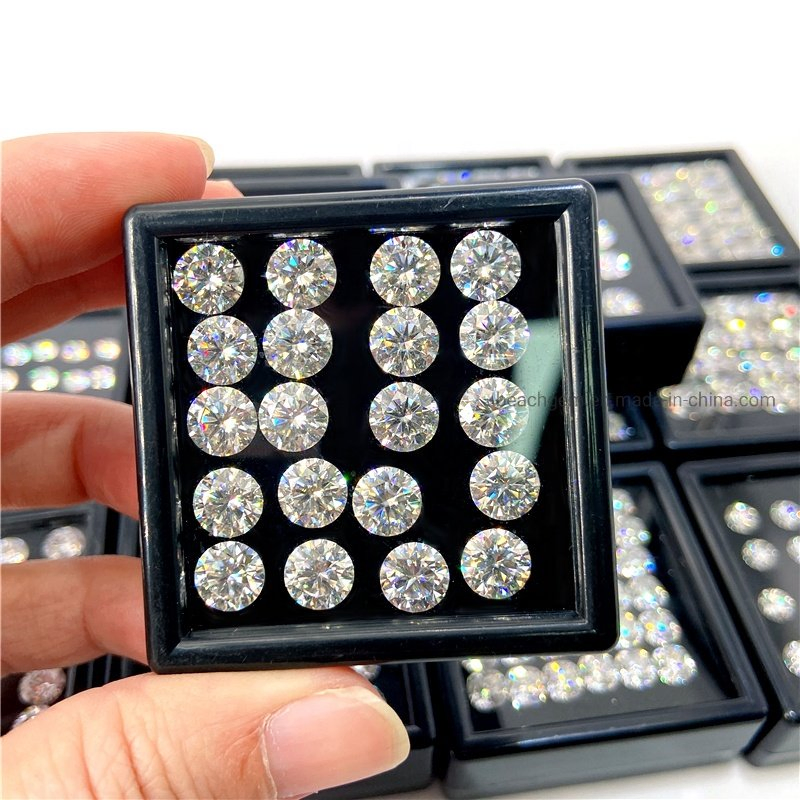
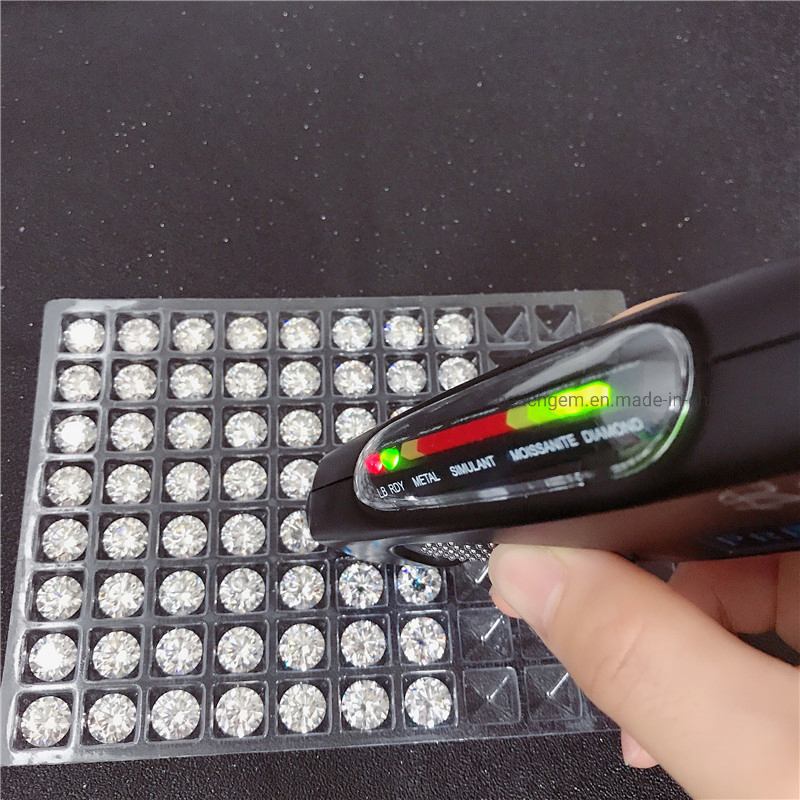
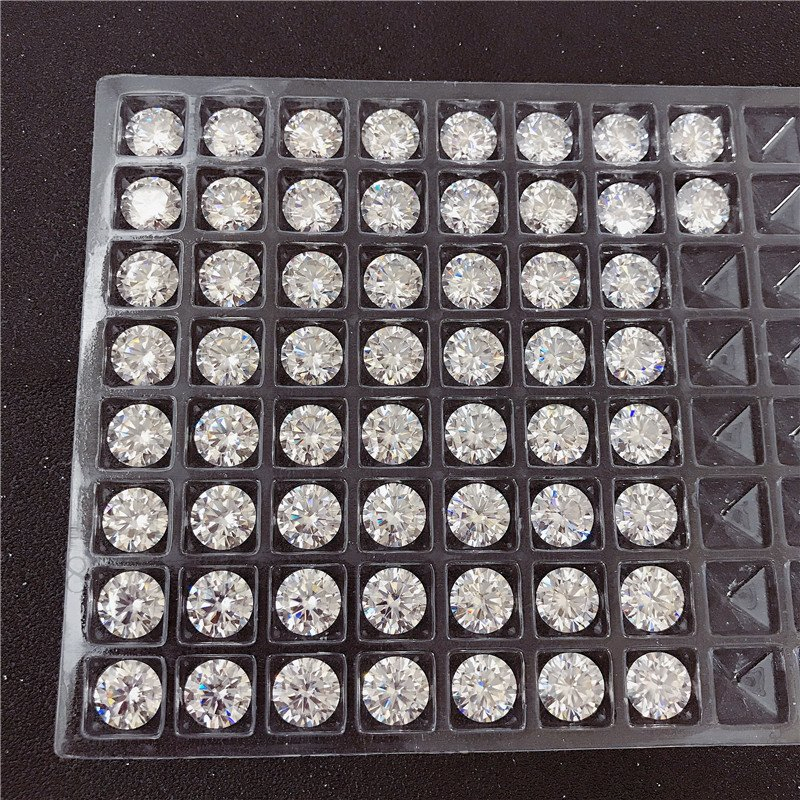
With D color, unique Belgian cut, and FL/IF clarity grade, this type of top Moissan diamond can be called a magic star diamond. The appearance of Moissanite is very similar to that of natural diamonds, and it is difficult to distinguish with the naked eye. It is also a gem with physical properties closest to natural diamonds.
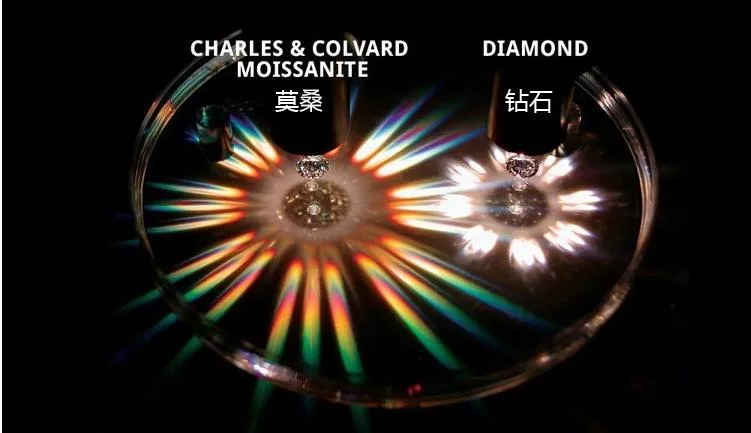
Moissanite and diamond are indistinguishable at a glance, but if you look closely, you will find that Moissanite's colorful fire is stronger than diamonds. Tested with professional equipment, the fire color of Moissanite is 2.5 times that of diamonds. In terms of dispersion value, diamond is 0.044 and Moissanite is 0.104; in refraction, diamond is 2.417, and Moissanite is 2.65. Moissanite's dispersion value and refraction both exceed diamond. In terms of Mohs hardness, diamond is 10 and moissanite is 9.25, which is much higher than other gems.